

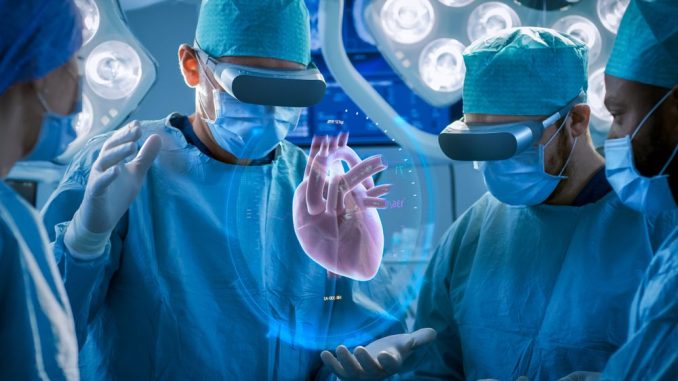
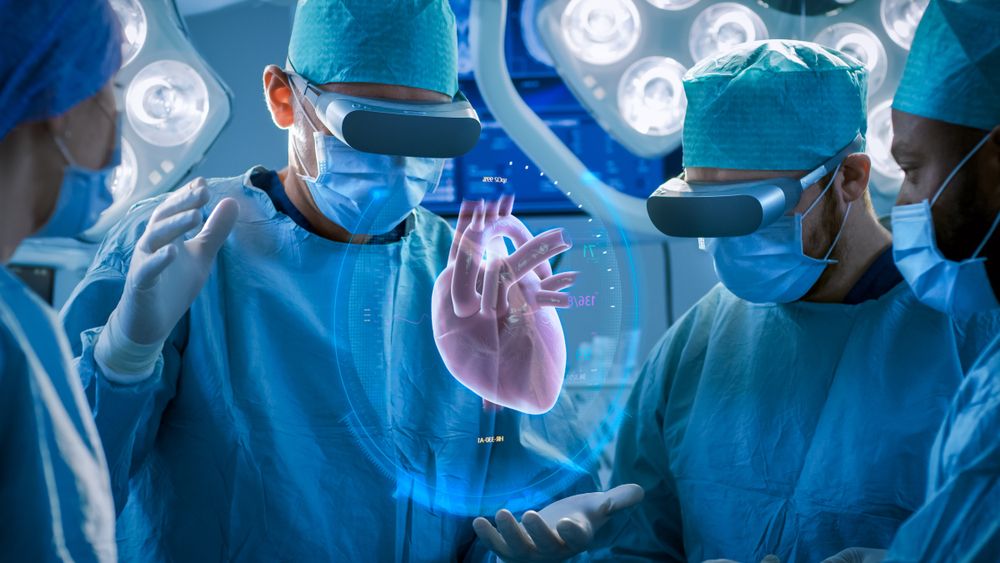
In recent years, virtual reality (VR) technology has made significant advancements and is now revolutionizing various industries, including medicine. One area where VR is proving to be especially beneficial is in medical training. By providing a realistic and immersive training environment, VR is helping medical professionals develop essential skills and improve patient outcomes.
Enhancing Surgical Skills
One of the most important applications of VR in medical training is in surgical simulations. Virtual reality allows aspiring surgeons to practice procedures in a safe and controlled environment before performing them on actual patients. By using VR simulators, surgeons can hone their skills, improve their hand-eye coordination, and familiarize themselves with complex surgical techniques. This ultimately leads to better outcomes for patients and reduces the risk of surgical errors.
Improving Diagnostic Skills
In addition to surgical training, VR is also being used to enhance diagnostic skills among medical students and practicing physicians. By using VR simulations, medical professionals can practice identifying and diagnosing various medical conditions in a highly realistic setting. This hands-on experience allows them to improve their diagnostic accuracy and make more informed decisions when treating patients.
Enhancing Communication and Teamwork
Another significant benefit of VR in medical training is its ability to improve communication and teamwork among healthcare providers. Virtual reality simulations can replicate real-world healthcare scenarios, allowing medical professionals to practice collaborating with colleagues, coordinating patient care, and making critical decisions as a team. This enhances their ability to work effectively in high-pressure situations and improve patient outcomes.
Increasing Access to Training
One of the key advantages of VR technology in medical training is its ability to increase access to high-quality education and training programs. Virtual reality simulations can be accessed remotely, allowing medical students and professionals to participate in training sessions from anywhere in the world. This is especially beneficial for individuals in rural or underserved areas who may not have access to traditional medical training facilities.
Future Implications
As VR technology continues to advance, its role in medical training is only expected to grow. Virtual reality has the potential to revolutionize how medical professionals are trained, providing them with more immersive and interactive learning experiences. This not only benefits healthcare providers but also improves patient care and outcomes.
In conclusion, virtual reality is playing a vital role in medical training, offering healthcare professionals a unique and effective way to develop essential skills and enhance patient care. By leveraging VR technology, medical training programs can provide more realistic and immersive learning experiences that ultimately lead to better outcomes for both healthcare providers and patients.