

Electronic Health Records (EHRs) have revolutionized the healthcare industry by digitizing patient information and making it easily accessible to healthcare providers. This technology has transformed the way patient care is delivered, leading to improved outcomes and increased efficiency in healthcare facilities.
Enhanced Coordination of Care
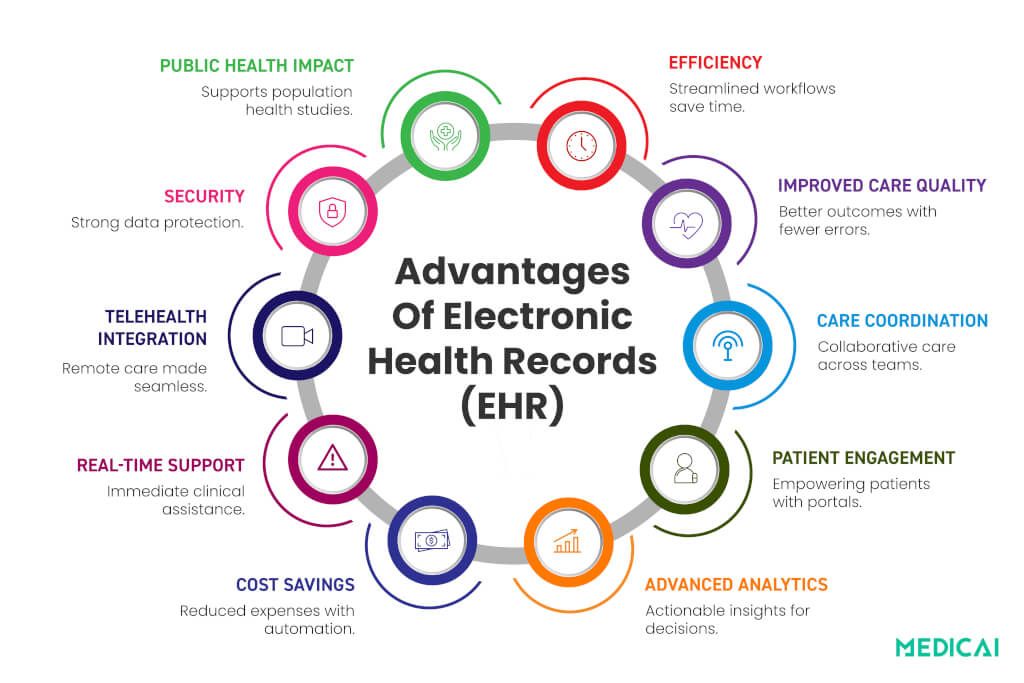
One of the key ways EHRs improve patient care is by enhancing coordination among healthcare providers. With EHR systems, all members of a patient’s care team have access to the same up-to-date information, including test results, treatment plans, and medication lists. This ensures that everyone involved in the patient’s care is on the same page, leading to more integrated and efficient treatment.
Improved Accuracy and Efficiency
Another benefit of EHRs is improved accuracy and efficiency in healthcare delivery. With paper-based medical records, there is a higher risk of errors due to illegible handwriting, misplaced documents, or incomplete information. EHRs eliminate these risks by providing a standardized format for documenting patient information, reducing the likelihood of errors and ensuring that all necessary information is easily accessible.
Enhanced Patient Engagement
EHRs also play a crucial role in enhancing patient engagement and empowerment. Patients can access their own health records online, allowing them to actively participate in their care and make informed decisions about their treatment. This increased transparency and involvement in their healthcare can lead to improved patient outcomes and satisfaction.
Real-time Information Sharing
One of the most significant advantages of EHRs is the ability to share real-time information among healthcare providers. In emergency situations, having immediate access to a patient’s medical history, allergies, and medications can be lifesaving. EHRs enable healthcare professionals to access this critical information quickly, leading to faster and more accurate decision-making in urgent care settings.
Enhanced Analytics and Reporting
EHR systems also provide valuable data for analytics and reporting purposes. Healthcare facilities can use this data to identify trends, track outcomes, and improve quality of care. By analyzing EHR data, healthcare providers can make informed decisions about treatment protocols, resource allocation, and patient management strategies, ultimately leading to better patient care.
Conclusion
Overall, EHRs have transformed the healthcare industry by improving patient care through enhanced coordination, accuracy, efficiency, engagement, and real-time information sharing. Healthcare facilities that implement EHR systems are better equipped to deliver high-quality care, leading to better patient outcomes and increased satisfaction. As technology continues to advance, the role of EHRs in healthcare will only continue to grow, paving the way for a more efficient and patient-centered healthcare system.
(Note: This article has been written with HTML markup for demonstration purposes and would need to be converted into HTML format for publishing on a website)