

Menstrual health is a crucial aspect of overall well-being for women. A balanced menstrual cycle is a sign of good reproductive health. However, many women face issues with their menstrual cycle, such as irregular periods, painful cramps, heavy bleeding, or hormonal imbalances. These issues can impact a woman’s quality of life and overall health.
Healthy Habits for a Balanced Cycle
There are several ways to promote a healthy and balanced menstrual cycle. Here are some tips to help you maintain optimal menstrual health:
1. Maintain a Balanced Diet
Eating a balanced diet rich in fruits, vegetables, whole grains, and lean proteins can help support your menstrual health. Certain nutrients, such as iron, magnesium, and vitamin B6, are essential for a healthy cycle. Incorporate foods like leafy greens, nuts, seeds, and legumes into your diet to ensure you’re getting these important nutrients.
2. Stay Active
Regular exercise can help regulate your menstrual cycle and reduce cramps and bloating. Aim for at least 30 minutes of moderate exercise most days of the week. Activities like walking, biking, swimming, or yoga can be beneficial for menstrual health.
3. Manage Stress
High levels of stress can disrupt your menstrual cycle and exacerbate symptoms like cramps and mood swings. Practice stress-reducing techniques such as meditation, deep breathing, yoga, or spending time in nature to help manage stress levels and support your menstrual health.
4. Stay Hydrated
Drinking an adequate amount of water is essential for maintaining a healthy menstrual cycle. Dehydration can worsen symptoms like bloating and fatigue. Aim to drink at least 8-10 cups of water per day to stay hydrated and support your overall health.
5. Get Enough Sleep
Quality sleep is crucial for hormone regulation and overall health. Aim for 7-9 hours of restful sleep each night to support your menstrual cycle. Create a bedtime routine, limit screen time before bed, and create a comfortable sleep environment to optimize your sleep quality.
When to Seek Professional Help
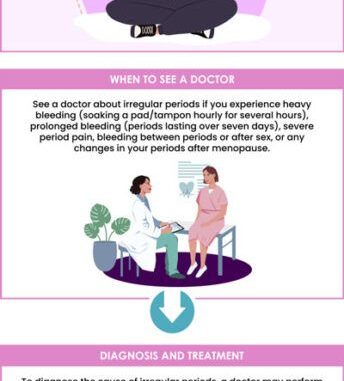
If you are experiencing persistent irregularities with your menstrual cycle, such as missed periods, extremely heavy bleeding, severe cramps, or other concerning symptoms, it’s important to seek medical advice. A healthcare provider can help diagnose and treat any underlying health issues that may be contributing to your menstrual problems.
Conclusion
Menstrual health is an important aspect of women’s overall well-being. By adopting healthy lifestyle habits like maintaining a balanced diet, staying active, managing stress, staying hydrated, and getting enough sleep, you can support a healthy and balanced menstrual cycle. Remember to listen to your body and seek help from a healthcare provider if you have concerns about your menstrual health. By taking steps to prioritize your menstrual health, you can improve your quality of life and promote optimal reproductive health.