

Menopause is a natural process that every woman goes through as she ages. It signifies the end of a woman’s reproductive years and comes with a variety of physical and emotional symptoms. In this article, we will discuss the common signs of menopause and provide tips on how to manage them effectively.
Common Signs of Menopause
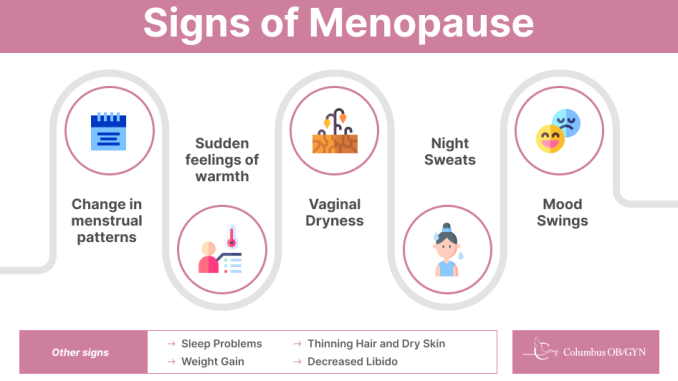
1. Hot Flashes: One of the most common symptoms of menopause is hot flashes, which are sudden feelings of warmth that spread through the body, often accompanied by sweating and a rapid heartbeat.
2. Night Sweats: Many women experience night sweats during menopause, which are hot flashes that occur during sleep and can disrupt a good night’s rest.
3. Mood Swings: Hormonal changes during menopause can lead to emotional ups and downs, including irritability, anxiety, and depression.
4. Weight Gain: As women age, their metabolism slows down, making it easier to gain weight, especially around the abdomen.
5. Insomnia: Many women going through menopause have trouble falling asleep or staying asleep, leading to fatigue and irritability during the day.
6. Irregular Periods: Menstrual cycles during menopause can become irregular, with periods becoming lighter, heavier, or less frequent.
Managing Menopausal Symptoms
1. Stay Active: Regular exercise can help reduce hot flashes, improve mood, and maintain a healthy weight. Aim for at least 30 minutes of moderate exercise most days of the week.
2. Eat a Healthy Diet: A balanced diet rich in fruits, vegetables, whole grains, and lean proteins can help control weight gain and reduce the severity of menopausal symptoms.
3. Practice Relaxation Techniques: Stress can exacerbate menopausal symptoms, so incorporating relaxation techniques such as yoga, meditation, or deep breathing exercises into your daily routine can help manage stress levels.
4. Stay Hydrated: Drinking plenty of water can help reduce the frequency and severity of hot flashes and night sweats.
5. Get Plenty of Sleep: Establishing a bedtime routine, avoiding caffeine and electronics before bed, and creating a cool, dark sleep environment can help improve sleep quality during menopause.
6. Consider Hormone Therapy: In some cases, hormone replacement therapy may be recommended to help alleviate severe menopausal symptoms. Talk to your healthcare provider to discuss the risks and benefits of this treatment option.
Conclusion
Menopause is a natural process that every woman goes through, but that doesn’t mean you have to suffer through its symptoms. By staying active, eating a healthy diet, practicing relaxation techniques, staying hydrated, getting plenty of sleep, and considering hormone therapy if necessary, you can effectively manage the signs of menopause and continue to live a happy and healthy life. If you are experiencing severe menopausal symptoms, be sure to consult with your healthcare provider for personalized advice and treatment options.