

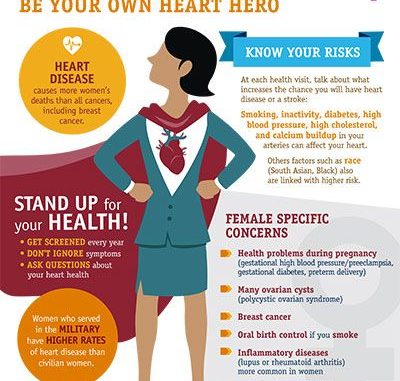
In today’s modern society, heart disease is one of the leading causes of death among women. Despite the common misconception that heart disease primarily affects men, the reality is that women are just as susceptible to developing heart-related issues. In fact, heart disease is the number one killer of women worldwide.
Understanding the risks associated with women’s heart health is the first step in preventing heart disease from developing. By taking proactive measures and making healthy lifestyle choices, women can significantly reduce their chances of developing heart-related issues.
Risk Factors for Women’s Heart Health
There are several risk factors that can contribute to women’s heart health issues. Some of these risk factors are hereditary, while others are lifestyle-related. It’s essential for women to be aware of these risk factors so they can take steps to minimize their impact.
– High Blood Pressure: Women with high blood pressure are at an increased risk of developing heart disease. It’s crucial for women to monitor their blood pressure regularly and take steps to keep it within a healthy range.
– High Cholesterol: High levels of cholesterol in the blood can lead to the buildup of plaque in the arteries, increasing the risk of heart disease. Women should have their cholesterol levels checked regularly and make dietary changes to lower high cholesterol levels.
– Diabetes: Women with diabetes are at a higher risk of developing heart disease. It’s important for women with diabetes to manage their blood sugar levels effectively to reduce their risk of heart-related issues.
– Smoking: Smoking is a significant risk factor for heart disease in women. Women who smoke should quit smoking immediately to reduce their risk of developing heart-related issues.
– Obesity: Being overweight or obese can increase the risk of heart disease in women. Maintaining a healthy weight through a balanced diet and regular exercise is essential for preventing heart-related issues.
Prevention Strategies for Women’s Heart Health
Fortunately, there are several prevention strategies that women can implement to protect their heart health and reduce their risk of developing heart disease.
1. Healthy Diet: Eating a balanced diet that is low in saturated fat, cholesterol, and sodium can help lower the risk of heart disease. Women should focus on consuming plenty of fruits, vegetables, whole grains, and lean proteins to support heart health.
2. Regular Exercise: Engaging in regular physical activity is vital for maintaining a healthy heart. Women should aim for at least 150 minutes of moderate-intensity exercise each week to lower their risk of heart-related issues.
3. Stress Management: Chronic stress can contribute to heart disease in women. Women should practice stress-reducing techniques such as yoga, meditation, or deep breathing exercises to promote heart health.
4. Regular Health Check-ups: Women should see their healthcare provider regularly for routine check-ups and screenings. Regular health check-ups can help detect early signs of heart disease and other health issues.
5. Avoid Smoking and Limit Alcohol Intake: Quitting smoking and limiting alcohol intake can significantly reduce the risk of heart disease in women. Women should avoid smoking altogether and drink alcohol in moderation to protect their heart health.
Conclusion
Women’s heart health is a critical issue that should not be overlooked. By understanding the risks associated with heart disease and implementing preventative measures, women can protect their heart health and reduce their risk of developing heart-related issues. With a healthy diet, regular exercise, stress management, and other healthy lifestyle choices, women can take control of their heart health and live a long, healthy life.