

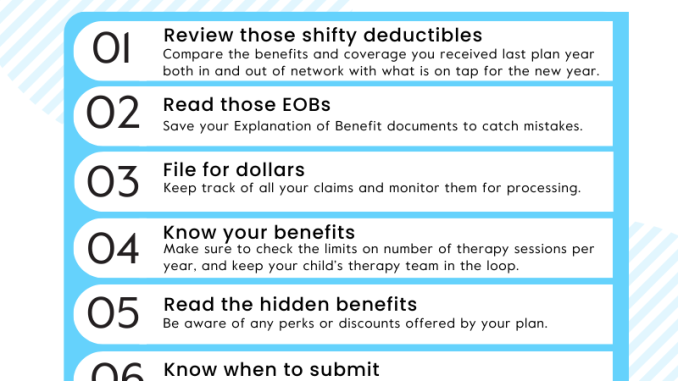
Health insurance can be a complex and confusing topic for many people. With the rising costs of healthcare, it’s more important than ever to understand your health insurance plan and how it works. In this article, we’ll break down the key components of a health insurance plan and provide tips on how to navigate the often murky waters of healthcare coverage.
Understanding Your Coverage
The first step in understanding your health insurance plan is to familiarize yourself with your coverage. This includes knowing what services are covered, what your copayments and deductibles are, and any restrictions on where and how you can receive care. Your insurance company should provide you with a summary of benefits that outlines these details, so be sure to review this document carefully.
Networks and Providers
Health insurance plans typically have a network of providers that you can see for care. In-network providers have agreements with your insurance company and will often be more affordable than out-of-network providers. Before seeking care, be sure to check if your provider is in-network to avoid unexpected expenses.
Cost-Sharing
Cost-sharing is the portion of healthcare costs that you are responsible for paying. This includes copayments, deductibles, and coinsurance. Copayments are fixed amounts that you pay for certain services, while deductibles are the amount you must pay before your insurance coverage kicks in. Coinsurance is a percentage of the cost of care that you are responsible for paying. Understanding these terms and how they apply to your plan is key to managing your healthcare expenses.
Preventive Care
Many health insurance plans cover preventive care services at no cost to you. This includes things like vaccinations, screenings, and annual check-ups. Taking advantage of these services can help you stay healthy and catch any potential issues early on. Be sure to check with your insurance company to see what preventive care services are covered under your plan.
Appeals and Grievances
If you ever have a dispute with your insurance company or feel that a claim has been unfairly denied, you have the right to appeal their decision. Most insurance companies have a process for filing appeals, so be sure to familiarize yourself with this process in case you ever need to use it. Additionally, if you have any grievances about your insurance coverage or the quality of care you received, you can file a complaint with your state’s department of insurance.
Staying Informed
Finally, it’s essential to stay informed about changes to your health insurance plan. This includes staying up to date on any changes in coverage, provider networks, or costs. Be sure to read any communications from your insurance company and ask questions if you don’t understand something. Being proactive about your healthcare coverage can help you avoid surprises and ensure that you get the care you need when you need it.
In conclusion, understanding your health insurance plan is crucial to managing your healthcare expenses and getting the care you need. By familiarizing yourself with your coverage, networks, and costs, you can make informed decisions about your health and finances. Remember to stay informed, ask questions, and advocate for yourself if you ever have any concerns about your insurance coverage. Your health is worth it.