

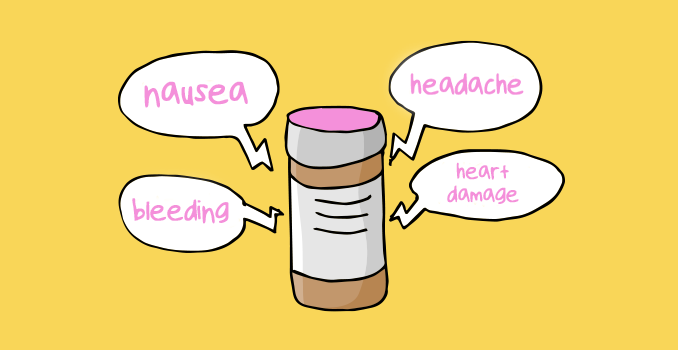
Prescription medications play a crucial role in managing various health conditions and improving quality of life. However, like any other form of treatment, they also come with potential side effects that can impact a person’s well-being. It is essential for individuals to be aware of these side effects and take necessary steps to manage them effectively.
Understanding Side Effects of Prescription Medications
Side effects of prescription medications can range from mild to severe and may vary depending on the type of medication and individual factors such as age, gender, and overall health. Common side effects include nausea, dizziness, fatigue, and skin rashes. In some cases, medications may also cause more serious side effects such as liver damage or allergic reactions.
Importance of Managing Side Effects
Ignoring or downplaying side effects of prescription medications can have serious consequences. Unmanaged side effects can lead to poor treatment adherence, worsening of the original health condition, and even life-threatening complications. It is vital for individuals to communicate openly with their healthcare providers about any side effects they may be experiencing.
Tips for Managing Side Effects
There are several strategies that can help individuals effectively manage side effects of prescription medications:
Communicate with your healthcare provider: It is crucial to inform your healthcare provider about any side effects you may be experiencing. They may be able to adjust your medication dosage or switch to a different medication to minimize side effects.
Follow dosage instructions: Taking medications as prescribed can help reduce the likelihood of experiencing side effects. Do not skip doses or take more than the recommended amount without consulting your healthcare provider.
Maintain a healthy lifestyle: Eating a balanced diet, getting regular exercise, and getting an adequate amount of sleep can help alleviate some side effects of medications. Avoiding alcohol and tobacco can also help minimize side effects.
Monitor your symptoms: Keep track of any side effects you may be experiencing, including their severity and duration. This information can help your healthcare provider determine the best course of action.
Explore alternative therapies: In some cases, complementary therapies such as acupuncture, massage, or meditation may help alleviate side effects of medications. Talk to your healthcare provider about incorporating these therapies into your treatment plan.
When to Seek Medical Attention
While most side effects of prescription medications are mild and temporary, some may require immediate medical attention. It is important to seek medical help if you experience any of the following symptoms:
Sudden or severe allergic reactions such as difficulty breathing or swelling of the face, lips, or tongue
Chest pain or irregular heartbeat
Severe dizziness or fainting
Severe confusion or hallucinations
Do not hesitate to contact your healthcare provider or seek emergency medical care if you experience any of these symptoms while taking prescription medications.
Conclusion
Managing side effects of prescription medications is an essential part of ensuring the effectiveness and safety of treatment. By communicating with healthcare providers, following dosage instructions, maintaining a healthy lifestyle, and seeking medical attention when necessary, individuals can minimize the impact of side effects and optimize their overall well-being.