

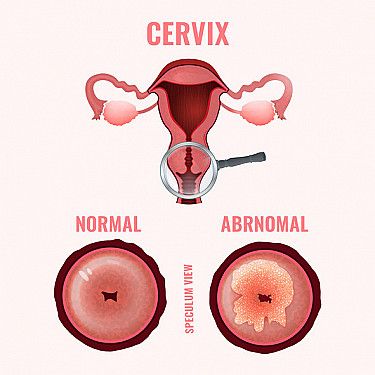
Regular Pap smears and HPV testing are important aspects of women’s healthcare. These screenings can detect abnormal cells in the cervix early on, allowing for timely treatment and prevention of cervical cancer. In this article, we will discuss what Pap smears and HPV testing entail, and what you can expect during the process.
What is a Pap Smear?
A Pap smear, also known as a Pap test, is a procedure in which cells are collected from the cervix and examined under a microscope for any abnormalities. The test can detect changes in the cervical cells that could indicate the presence of precancerous or cancerous cells. Pap smears are recommended for women starting at age 21 and should be done regularly as advised by your healthcare provider.
What is HPV Testing?
HPV testing is a screening test that checks for the presence of human papillomavirus (HPV) in the cervix. HPV is a common sexually transmitted infection that can lead to cervical cancer if left untreated. The test is often done in conjunction with a Pap smear, as HPV is a known risk factor for cervical cancer. Women over 30 may be advised to get an HPV test along with their regular Pap smear.
What to Expect During a Pap Smear
During a Pap smear, you will be asked to lie down on an exam table with your feet placed in stirrups. Your healthcare provider will gently insert a speculum into the vagina to hold it open and then collect cells from the cervix using a small brush or spatula. The process is quick and relatively painless, but you may experience mild discomfort or cramping.
What to Expect During HPV Testing
If you are getting an HPV test along with your Pap smear, the process will be very similar. Your healthcare provider may collect cells from the cervix at the same time they do the Pap smear. The cells will be sent to a lab for testing to determine if you have any high-risk strains of HPV that could lead to cervical cancer.
Results
After your Pap smear and HPV test, you will typically receive your results within a few weeks. If your results are normal, you may not need any further testing until your next scheduled screening. If abnormal cells are found, your healthcare provider will discuss next steps with you, which may include additional testing or treatment.
Conclusion
Pap smears and HPV testing are important tools in the early detection and prevention of cervical cancer. By staying up-to-date on your screenings and following your healthcare provider’s recommendations, you can take control of your reproductive health and reduce your risk of developing cervical cancer. If you have any concerns or questions about Pap smears or HPV testing, don’t hesitate to talk to your healthcare provider.