

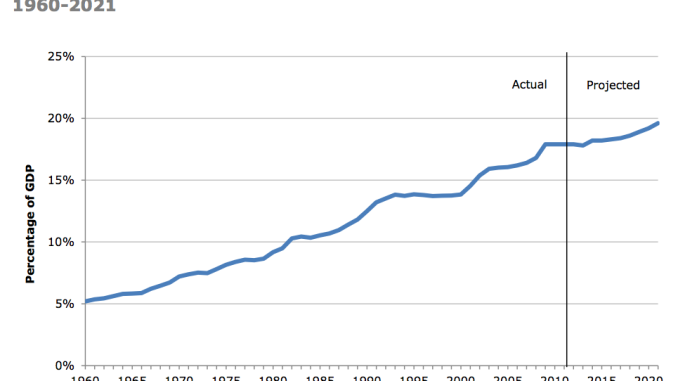
With the increasing costs of healthcare services, it’s becoming more challenging for individuals to afford proper medical care. However, there are steps you can take to manage and reduce these costs. In this article, we will explore strategies that can help you navigate the rising healthcare expenses effectively.
1. Understand Your Insurance Coverage
One of the first steps to take in managing healthcare costs is to understand your insurance coverage. Make sure you are aware of what services are covered under your plan and what out-of-pocket expenses you may be responsible for. By being informed about your insurance benefits, you can avoid unexpected charges and make more cost-effective decisions when seeking medical care.
2. Utilize Preventative Care Services
Preventative care is crucial in maintaining good health and reducing the need for costly medical treatments. Take advantage of preventative care services such as annual check-ups, screenings, and vaccinations to catch any potential health issues early on and prevent them from escalating into more serious and expensive conditions.
3. Compare Treatment Costs
Before undergoing any medical procedure, it’s important to compare the costs of different treatment options. Research and inquire about the prices of services from various healthcare providers to find the most affordable and cost-effective option. You can also consider negotiating prices or exploring alternative treatments that are more budget-friendly.
4. Stay In-Network
Choosing healthcare providers that are in-network with your insurance plan can significantly reduce your out-of-pocket expenses. In-network providers have negotiated rates with insurance companies, which can lead to lower costs for services rendered. By staying in-network, you can avoid unexpected charges and save money on medical care.
5. Take Advantage of Telemedicine
Telemedicine services have become increasingly popular as a convenient and cost-effective alternative to in-person doctor visits. Take advantage of telemedicine options for minor health concerns or follow-up appointments to save on time and expenses associated with traditional doctor visits. Many insurance plans now cover telemedicine services, making it an affordable and accessible option for medical consultations.
6. Consider Health Savings Accounts (HSAs)
Health Savings Accounts (HSAs) are tax-advantaged accounts that can help you save money for medical expenses. Contributions to HSAs are tax-deductible, and funds can be withdrawn tax-free for qualified medical expenses. By contributing to an HSA, you can save money on healthcare costs while also building a financial safety net for future medical needs.
7. Advocate for Transparency in Healthcare Pricing
Advocating for transparency in healthcare pricing can help drive down costs and empower consumers to make informed decisions about their medical care. Support initiatives and policies that promote price transparency in healthcare services, such as requiring providers to disclose their prices upfront and providing patients with cost estimates for treatment options. By advocating for transparency, you can play a role in reducing healthcare costs for yourself and others.
Conclusion
Managing rising healthcare costs can be a daunting task, but by taking proactive steps and being informed about your options, you can navigate these expenses effectively. Understanding your insurance coverage, utilizing preventative care services, comparing treatment costs, staying in-network, taking advantage of telemedicine, considering HSAs, and advocating for pricing transparency are some of the strategies you can employ to reduce your healthcare expenses and make more cost-effective decisions. By being proactive and informed, you can protect your health and finances in the face of rising healthcare costs.