

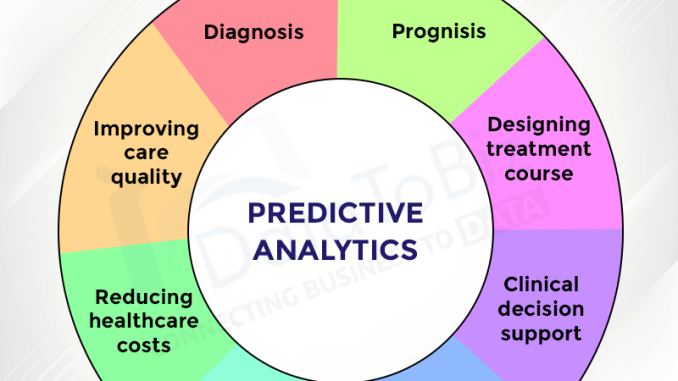
Artificial intelligence (AI) has quickly become a game-changer in the healthcare industry, revolutionizing the way medical professionals diagnose, treat, and manage diseases. In this article, we will explore the exciting advancements in AI technology and its potential impact on the future of healthcare.
AI-Powered Diagnostics
One of the most significant applications of AI in healthcare is in diagnostics. AI algorithms are being developed to analyze medical imaging such as X-rays, MRIs, and CT scans with incredible accuracy and speed. These AI systems can detect abnormalities and patterns that human eyes might miss, leading to earlier and more accurate diagnoses.
Precision Medicine
AI is also helping to usher in a new era of precision medicine, where treatments are tailored to individual patients based on their genetic makeup, lifestyle, and medical history. By analyzing vast amounts of data, AI can predict how a patient will respond to a particular treatment, leading to more effective and personalized care.
Virtual Health Assistants
Virtual health assistants powered by AI are becoming increasingly popular, offering patients personalized guidance and support on their health journey. These virtual assistants can provide information on symptoms, recommend treatments, and even schedule appointments with healthcare providers, making healthcare more accessible and convenient for patients.
Drug Discovery and Development
AI is also being used to accelerate the drug discovery and development process, saving time and resources. By analyzing vast amounts of data and identifying patterns, AI algorithms can predict potential drug candidates and optimize clinical trials, leading to the faster development of life-saving medications.
Challenges and Ethical Considerations
While the potential of AI in healthcare is promising, there are also challenges and ethical considerations that need to be addressed. These include data privacy and security concerns, ensuring transparency and accountability in AI algorithms, and addressing potential biases in AI systems. It is crucial for policymakers, researchers, and industry leaders to work together to address these challenges and ensure the responsible use of AI in healthcare.
Conclusion
The future of AI in healthcare is bright, with the potential to revolutionize the way we diagnose, treat, and manage diseases. By harnessing the power of AI technology, we can improve patient outcomes, reduce healthcare costs, and ultimately save lives. As we continue to explore the possibilities of AI in healthcare, it is essential to prioritize ethics, transparency, and collaboration to ensure that AI benefits all patients and healthcare providers.
Copyright © 2022 The Future of AI in Healthcare Explained. All Rights Reserved.