


Telemedicine allows patients” width=”825″ height=”510″>
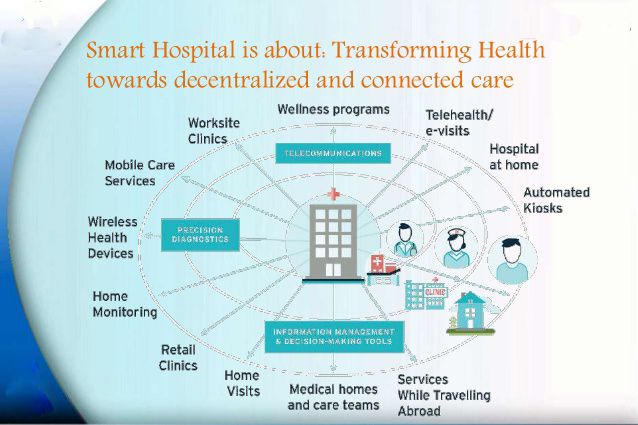
In today’s fast-paced world, technology is revolutionizing every aspect of our lives, including healthcare. Smart hospitals are a prime example of how technology is being utilized to improve patient care and operational efficiency. But what exactly are smart hospitals, and how do they work? Let’s delve into the fascinating world of smart hospitals to understand their impact on the healthcare industry.
What are Smart Hospitals?
Smart hospitals are healthcare institutions that leverage advanced technologies such as artificial intelligence, Internet of Things (IoT), cloud computing, and data analytics to enhance patient care, streamline operations, and improve overall efficiency. These technologies enable smart hospitals to offer personalized and efficient healthcare services while reducing costs and enhancing patient outcomes.
Key Features of Smart Hospitals
1. Digital Health Records
Smart hospitals utilize electronic health records (EHRs) to store and manage patient data in a digital format. This not only eliminates the need for paper records but also enables healthcare providers to access patient information quickly and securely. EHRs also facilitate data sharing among different healthcare facilities, ensuring seamless coordination of care.
2. Telemedicine
Telemedicine allows patients to consult with healthcare providers remotely via video conferencing or other digital communication platforms. Smart hospitals use telemedicine to offer virtual consultations, monitor patients remotely, and provide follow-up care, especially for patients with chronic conditions. This not only improves access to care but also reduces unnecessary hospital visits.
3. Wearable Devices
Wearable devices such as smartwatches and fitness trackers are increasingly being used in smart hospitals to monitor patients’ vital signs, track their activity levels, and provide real-time health data. This enables healthcare providers to offer personalized care plans, detect health issues early, and intervene proactively to prevent complications.
4. IoT-Enabled Devices
The Internet of Things (IoT) plays a crucial role in smart hospitals by connecting medical devices, equipment, and infrastructure to a network. IoT-enabled devices such as smart beds, medication dispensers, and monitoring sensors help healthcare providers automate tasks, improve operational efficiency, and enhance patient safety and comfort.
5. Artificial Intelligence (AI)
Artificial intelligence is transforming healthcare delivery in smart hospitals by analyzing vast amounts of data, predicting patient outcomes, and optimizing treatment plans. AI-powered tools such as diagnostic algorithms, chatbots, and predictive analytics help healthcare providers make informed decisions, enhance clinical workflows, and deliver personalized care to patients.
How Do Smart Hospitals Work?
Smart hospitals function by integrating various technologies to create a connected and intelligent healthcare ecosystem. Here’s how smart hospitals work in practice:
1. Seamless Data Sharing
Smart hospitals ensure seamless sharing of patient data among healthcare providers, departments, and systems. This enables real-time access to patient information, promotes collaboration among clinicians, and improves care coordination across the continuum.
2. Automated Processes
Automation is a key component of smart hospitals, enabling repetitive tasks to be performed efficiently and accurately. Automated processes such as appointment scheduling, medication dispensing, and inventory management reduce the burden on healthcare staff, minimize errors, and enhance operational efficiency.
3. Personalized Patient Care
Smart hospitals leverage technology to deliver personalized care tailored to each patient’s unique needs and preferences. This includes using data analytics to predict health outcomes, implementing remote monitoring to track patients’ progress, and offering telemedicine for convenient access to care.
4. Continuous Improvement
Smart hospitals are constantly evolving by adopting new technologies, refining processes, and incorporating feedback from patients and staff. Continuous improvement is essential to ensure that smart hospitals remain at the forefront of innovation and deliver high-quality, patient-centered care.
The Future of Smart Hospitals
The future of healthcare lies in smart hospitals that harness the power of technology to transform the patient experience, enhance clinical outcomes, and drive operational excellence. As technology continues to advance, smart hospitals will play a central role in shaping the future of healthcare delivery and improving the health and well-being of individuals around the world.
Are you ready to embrace the future of healthcare with smart hospitals? Stay tuned for more insights and updates on the latest trends in the tech-driven world of healthcare.